

L'Asthme Équin et les Troubles Respiratoires : Comprendre cette "maladie de civilisation"/ "Equine Asthma and Respiratory Disorders: Understanding This "Civilization Disease"
Vous avez remarqué que votre cheval tousse au démarrage du travail ? Ou que sa capacité de récupération diminue anormalement après l'effort…
Santé bucco-dentaire des carnivores
OVVET Oral Care – Additif pour l'eau de boisson (Poudre) Le soin bucco-dentaire quotidien simple, naturel et sans brossage pour chiens et c…

Inhalation of Death Sea Brine / Inhalation de Saumure de la Mer Morte
Unique composition of the OXYGEN Dead Sea salt brine. Dead Sea salts have a unique composition and are particularly rich in magnesium. Comp…
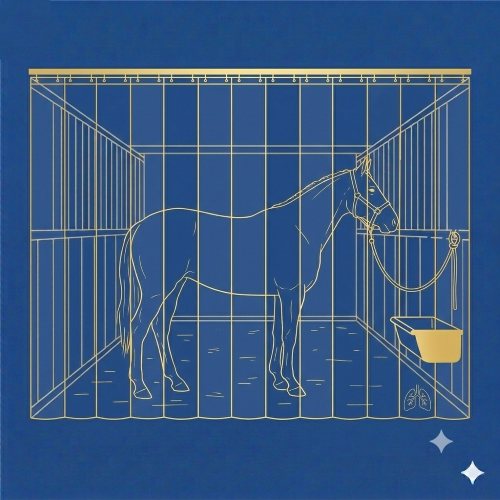
Respiratory Care Room: Installation Guide
Subject: Recommendations for Fitting Out a Treatment Stall Using Flexible Curtains Equipment: Ultrasonic Nebulizer (Dead Sea Salt Solution)…
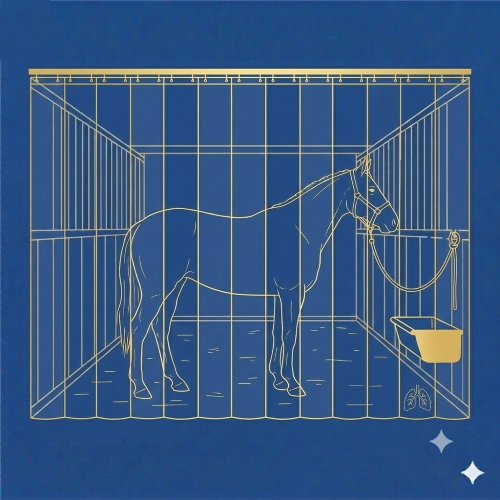
Espace de Soins Respiratoires: guide d'intallation
Objet : Recommandations pour l'aménagement d'une stalle de soin par cloisonnement souple Équipements : Nébuliseur ultrasonique (Saline de l…

Ionisation de l'air - Air ionisation
L’ionisation passive générée par le module ioniseur de oxygen Concept transforme le box en une cure d’air marin pour l’athlète équin en pro…
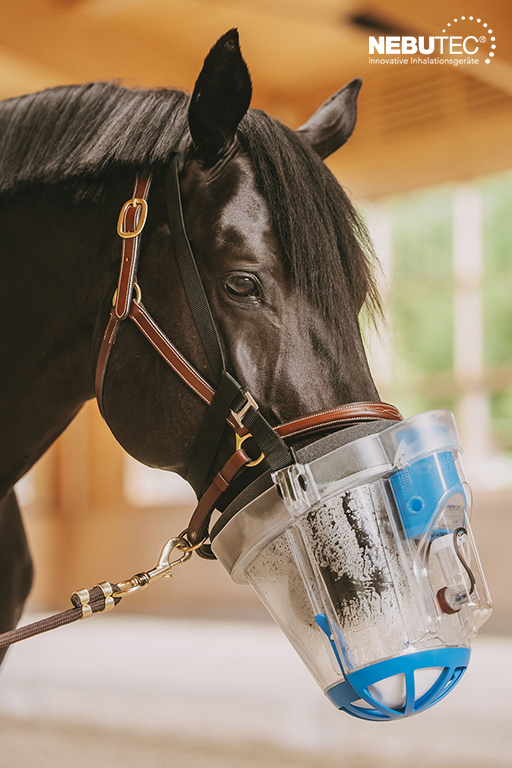
L'impact du stress sur l'inhalation des chevaux
L'impact du stress et de la respiration sur l'efficacité de l'inhalation équine Vous ne voulez que le meilleur pour votre cheval. Vous ache…
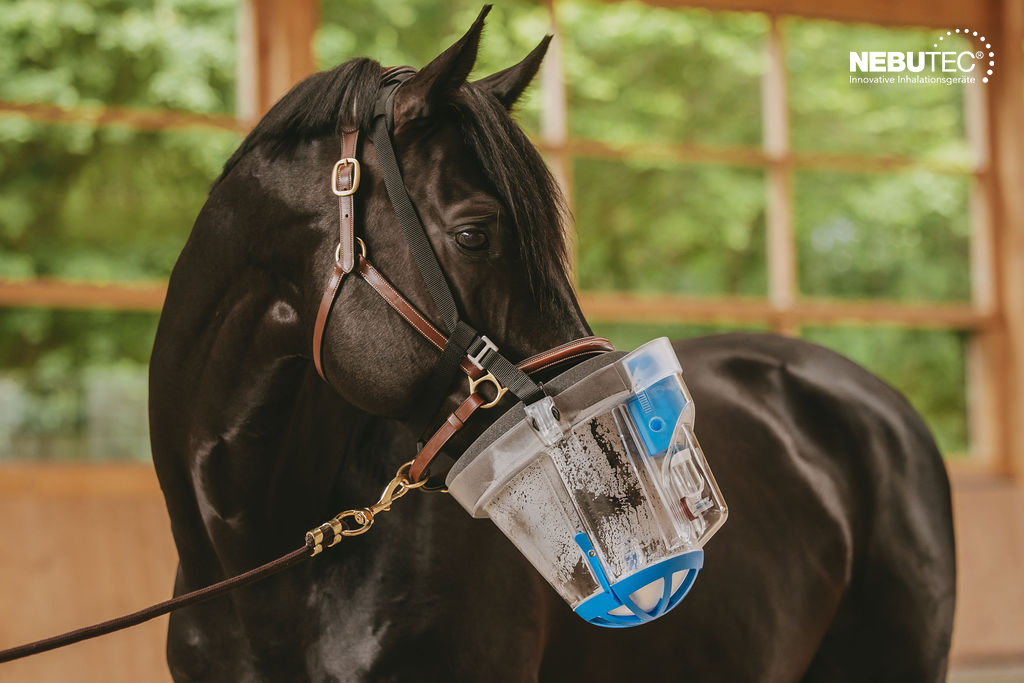
The Impact of Stress on Equine Inhalation Efficiency
The Impact of Stress and Breathing on Equine Inhalation Efficiency You only want the best for your horse. So you buy a good inhaler and the…
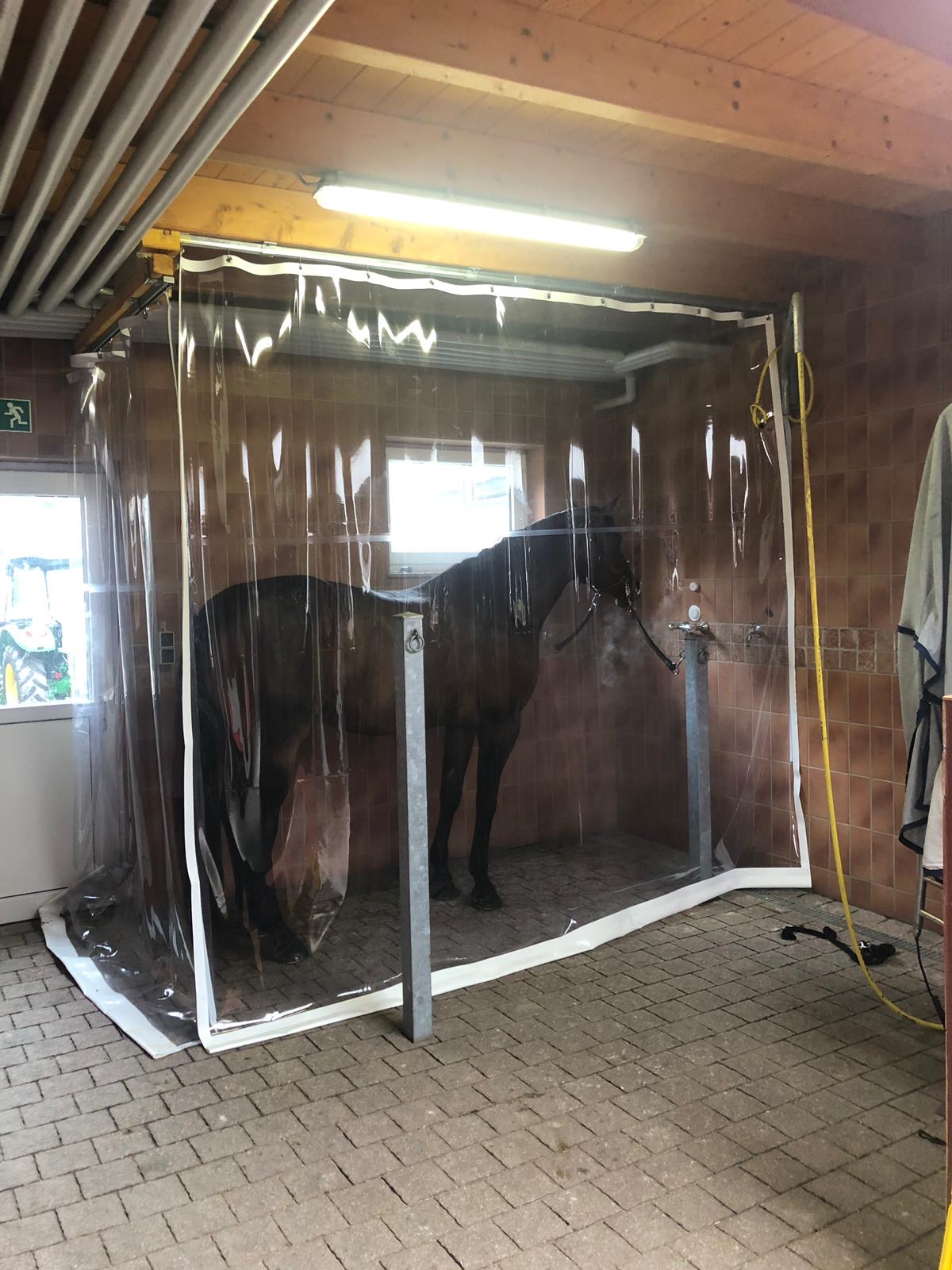
Optimiser l'inhalation équine : Aménagement de cabine & hygiène avec Biofresh / Equine Inhalation Cabin & Biofresh Hygiene Setup
Optimiser l'inhalation équine : Pourquoi et comment aménager une cabine dédiée ? / Optimizing Equine Inhalation: Why and How to Build a Ded…
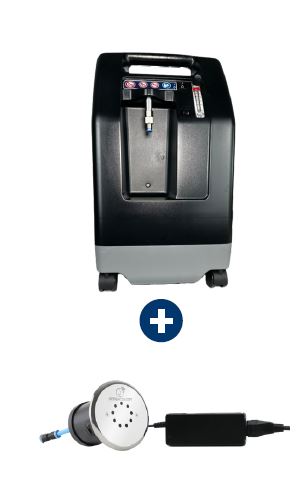
Préparation à l'effort par Oxygénothérapie normobare
Concentrateur OxygenConcept : Préparez vos chevaux à l'effort Maximisez le potentiel de vos chevaux athlètes avant la compétition grâce à l…
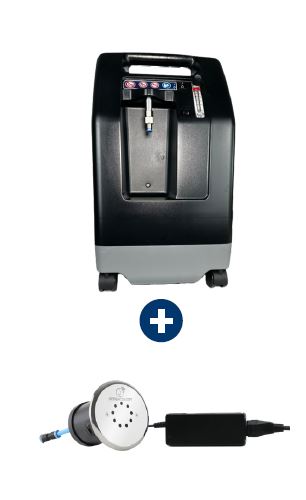
Normobaric Oxygen Prep for Performance
OxygenConcept Concentrator: Prepare Your Horses for Peak Performance Maximize the potential of your equine athletes before competition with…
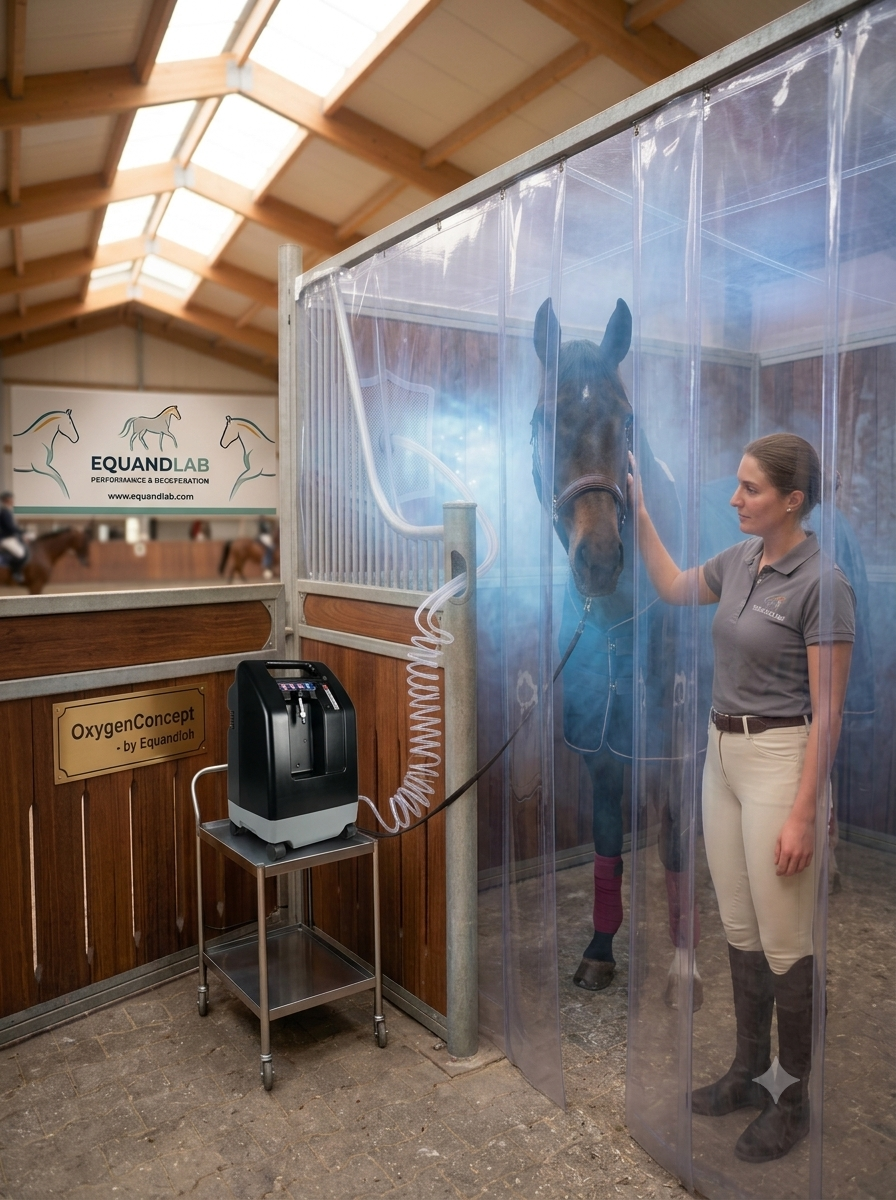
Récupération après effort par Oxygénothérapie normobare
Concentrateur OxygenConcept : Récupération Post-Compétition & Régénération Accélérez la récupération métabolique et musculaire de vos cheva…